
Thursday, April 10, 2008

Daddy Long Legs


Title: Daddy-Long-Legs
Author: Jean Webster
Place and Date of publications: USA, 1986
No. of Pages: 54
Setting: In one of the University in America during 18th century

Characters:
Jerusha Abbot – pet-named Judy
Daddy-Long-Legs – her unknown benefactor
Jervis Pendleton – a philanthropist
Julia Pendleton – rich college girl
Sally McBride – Judy’s classmate

Plot/Climax:
When Judy met Julia’s uncle Jervis Pendleton and fell in love with him, she wrote her benefactor asking what to do. He wrote back asking her to see him. When she was inside the library, her heart leaped with joy when she discovered that her benefactor\or and Daddy-Long-Legs were no other than Jervis Pendleton whom she loved.

Brief Summary:
Jerusha Abbot, serious-minded, brilliant orphan girl, found herself being sent to college by an anonymous “John Smith” benefactor who was to pay her tuition fees and send her $35 monthly. In turn, she was to write him a letter each month telling about her college studies and her daily life.
In college, Judy wrote interesting letters to her benefactor whom she called Daddy-Long-Legs. She had close friends Sally McBride and Julia Pendleton, daughter of the wealthy Pendletons. Judy’s poem was adjudged best in class, a short story of hers was paid $1000. She sent this money as partial reimbursement of over $3000 spent by her benefactor for her college course.
Judy met classmate Julia’s Uncle Jervis Pendleton whom she found to be delightful, dignified. They met several times, and love was born between them. She wrote her benefactor about it, asking what to do. He wrote back, asking her to meet him. She went to the city found the big brownstone house, and a butler ushered her to the library. Her heart leaped with joy when she discovered that her benefactor\or and Daddy-Long-Legs were no other than Jervis Pendleton who had asked her to marry him.

Reaction:
A beautiful and touching story of the dreams, hopes and heartaches of a little orphan girl. Her struggles in school, her many kindnesses, her brilliances in college work are inspirations to other girls. There is romantic mystery and complete satisfaction at the end of the novel.

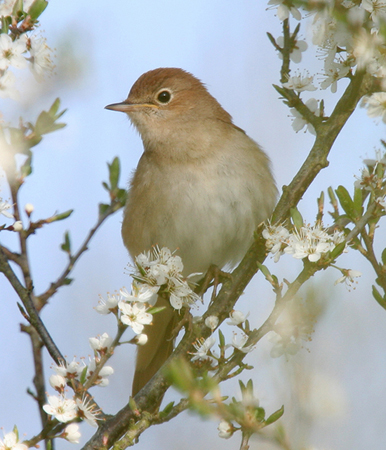
The Nightingale


Title: The Nightingale
Author: Hans Cristian Anderson
Place and Date of publications: New York, 1989
No. of Pages: 68
Setting: In the place of China many years ago.

Characters:
Nightingale – a wonderful bird in the forest that sing sweet songs for the people.
Emperor – a proud Emperor who was very curious to hear the Nightingale to sing.
Poor little girl - who said she know the nightingale well.

Plot/Climax:
After the nightingale stolen away from the forest, all people began to be lonely. It added to their grievance when their Emperor got sick and no one can make him well again. When the Emperor’s distress, the nightingale came to dear him. As she sing, the Emperor got well and become strong again.


Brief Summary:

Many years ago, there was an Emperor in china who lived in a splendid palace. He was very proud of his palace and greatly pleased when travelers came from all over the world to see it. These travelers wrote many books about it, but they also wrote about a nightingale which sings beautifully in the forest.
But his men had never seen the bird. Then a poor little girl came who said she know the nightingale well. The girl offered to take the king’s servants to the forest and when they entered the woods the nightingale began to sing, the girl cried out, quite loud saying “Little nightingale, our most gracious Emperor wishes so much that you sing for him.” So saying the birds flew in front of them, they all went back to the palace.
Then the nightingale hopped merrily upon a golden perch and began to sing. It sings so sweetly that great tears came into the Emperor’s eyes.
So it came to pass that the nightingale had a splendid cage and was given everything that she wished.
One day came, a package markets “The nightingale” and when they opened it they found a clock work bird. When it was wound up it song just like the real bird. The real nightingale stole away to the forest again. How glad the wood cutters and fisherman were when they heard the sweet song once more.
Five years passed away, the whole land was thrown into deep grief by the Emperor’s sickness and the doctors said he was a close to death they heard him whisper of “music” but the clock work something had gone wrong and no one could fix it. When the Emperor’s distress, the nightingale came to dear him. As it sings, the emperor got well and became strong again. Soon after, every night the windows of the palace were thrown open wide to hear the sweet song of the nightingale.

Moral Lesson:
Sharing of what talent that you have especially to those who needed it most is the essence of it. For every joy you give to others, there is a triple blessing that you can receive.

Reaction:
It is a wonderful story of how talents are being shared and how a simple piece of joy would mean a lot for someone. Truly real happiness cannot be paid of.

The Wild Swan


Title: The Wild Swans
Author: Hans Cristian Anderson]
Place and Date of publications: New York, 1989
No. of Pages: 75
Setting: At the Forest

Characters:
Princess Elisa – the only girl among the twelve siblings and worked for shirts to broke the spell.
The Eleven Swans – the eleven brothers of Elisa whom made swans by their wicked step mother.
King – the husband of Elisa whom gave a great dinner party for her and the eleven princes after the spell has broken up.

Plot/Climax:
Soon people decided to kill Elisa because of misconception that she was a witch, she was carried out and lie to a post and ready to be punished, eventually the eleven swans dropped down beside her. Then Elisa broke the spell through them, catching up the eleven shirts, she threw them over the swans and her dear brothers stood beside her.


Brief Summary:

There once lived a king who had eleven sons and a beautiful daughter named Elisa. The Eleven Prince and Princess Elisa were very happy until their mother died. The king married a wicked woman who turned the eleven boys into wild swans.
Elisa did not know what had become of them, one day when she saw the eleven brothers. The eldest brother told Elisa that their stepmother had be witched them and they stay swans as long as the sun shines.
She dreamed that a fairy came into her and told her that she could break the spell if she made shirts of nettles and threw them over the swans. But she must not speech all the time if she is at work. When she awake, she remembered her dream and set to work.
The king saw Elisa and he fell in love with her and asked her to marry him. There was a splendid wedding. Still Elisa wondered into the woods and gathered nettles and worked upon the shirt.
Some of the people said she was a witch but she worked on until she had ten shirts finished and the eleventh almost completed. In those days the people believed in witches until they cried out that the girl must die so they carried her out and lies her to a post when the eleven swans dropped down besides her. Elisa broke through them, catching up the eleven shirts, she threw them over the swans, eventually her dear brothers stood beside her.
When the king came, Elisa told the story of why she had been silent so long. Then all of the people praised her and the king gave a great dinner party for her and the eleven princes.

Moral Lesson:
When there is suffering and hardships ate start, there is happiness and success at the end.

Reaction:
The story showed how perseverance and determination resulted to a blissful ending. It also showed that blood is thicker than water as what Princess Elisa portrayed for her eleven brothers.

Daughter of Wolf House

Daughter of Wolf House
Author: Margaret E Bell
Place and Date of publications: USA, 1991
No. of Pages: 80
Setting: During 16th century at Alaskan Haida Village

Characters:
Nakatla – a pretty 16-year-old Alaskan girl who belong from the clan of backward, conservative Wolf House.
Queeaunce – a one-time powerful shaman who ruled the second clan and hates the whites.
Chief Yelthnow – Nakatla’s grandfather and the ruler of the first clan.]
Sahawa – young friend of Nakatla.
Skideen – Sahawa’s half brother.
Gregory Monroe – son of the white trader an whom Naktla fell in love with.

Plot/Climax:
Soon after Queeaunce discovered the love affair of Nakatla and Gregory, he opposed it ad aroused the village people against the Monroe’s. He said the whites only brought trouble and disaster to the village. For this reason, Nakatla and Gregory were pushed to elope and leaved the place.

Brief Summary:
Nakatla is a sixteen-year-old daughter of deceased Captain Rose and an Indian mother, they lived in an Alaskan Haida Village with two different clans. The first clan is the progressive Killer Whale house ruled by Nakatla’s grandfather and the brown minded Chief Yelthnow and the second clan which is backward, conservative Wolf House ruled by the whites. This clan is where Nakatla and her mother belonged.
Later, a white trading family, the Monroe’s, came and put up a trading store in the village, Nakatla fell in love with the young, handsome traders son, Gregory which soon discovered by Queeaunce. Even though, that he grown old but still formerly a powerful Shaman, aroused the village people against the Monroe’s. He accused them that they are the one brought trouble and disaster into the village.
He also opposed the young couple’s love affair. Skideen, half-brother of Nakatla’s best friend Shawa, also hated the Indian Maiden for liking the Monroe’s and working for them as Salesgirl in their trading store. But according to first clan ruler, Chief Yelthnow the coming of the whites meant better life for the Alaskan villagers.
It was Chief mother, Yelthnow’s wife who encouraged Nakatla to elope with Gregory. The tow young couples left the village, underwent difficulties and embarrassment before they finally found a happy and baldly faced the future before them together.

Moral Lesson:
Personal and cultural differences are not a hindrance for two people who are both in love with each other. Destiny is not a matter of chance but a matter of choice.

Reaction:
The novel shows the rugged beauty of n Alaskan village dominated by the totems of two clans. The Wolf and the Killer Whale but this is primarily the love story of Nakatla and the trader’s son, Gregory. The strength of their love surmounted prejudices on both sides. They were willing to face the future and make both Indian and Whites find nothing wrong in mixed marriages.

Thursday, April 3, 2008

The Story of Proserpine and Ceres

The story illustrates the key dynamic between gods and mortals. Mortals continue to challenge the gods and the gods smite the mortals. The gods rule by power and strength, as what we are about to see in the story.

When Jupiter and his brothers had defeated the Titars and banished then to Tartarus. A new enemy rose up against the gods. Some of them had a hundred arms, others breathed out fire. Then they were finally subdued and buried alive under Mount AEtna, where they still sometimes struggle to get loose, and is what men call the eruption of the Volcano.

The Giants groaned, starred and shook the sea and the island of Sicily so much that the god of the underworld, Pluto, became frightened lest his kingdom be revealed to light of day; he left the kingdom of the dead to survey the situation. Venus designed for Pluto to fall in love with Ceres daughter, Proserpine, a virgin, because Venus disdains virginity at which point Venus ordered Cupid to strike him with love’s arrow, as he was the only creature immune to love’s passion and Pluto was struck by Cupid’s arrow. Meanwhile, Proserpine was playing with her companion gathering lilies and violets, and filling her basket, when Pluto saw her, loved her and carried her off. When he reached the River Cyane, Proserpine screamed for help but no one heard her, despite her struggle and attempt of a nearby nymph, Cyane, to stop him. Pluto opposed his passage, as he struck the river bank with his trident and the earth opened and gave him passage to Tartarus. He bore her aware weeping down to the underworld. Meantime, Ceres searched everywhere for the daughter. But no one would tell her the truth even the Gods and some message from the birds. After long searches, Ceres met Cyane, the river nymph and showed her prosephite ribbon which had dropped to her plight. Furious and despairing, Ceres took her anger out in the farmers of this land, ruining their harvest; another nymph informed Ceres that Proserpine had become the queen of the underworld. When Ceres heard that she turned the Throne of Jove. Ceres asked Jove to intervene and restore his daughter. Jove considered that Ceres` lack of consent annuls the marriage and agreed to release her if she has not eaten the Food of the dead, otherwise, fate forbids her to leave the underworld. But Proserpine had eaten sum seed of the pomegranate which Pluto offered her, an act witnessed by Ascalphus, and was forbidden from leaving, but Jove decreed that Proserpine spend half the year with her mother and the other half with his husband.